





Shares of the Zomato and Temasek-backed logistics platform surged 35 percent on listing day, but the real story is what the company plans to do with the money
Shiprocket walked onto the Indian stock exchanges on Wednesday and did not just meet expectations, it comfortably beat them. Shares of the e-commerce enablement platform opened at 131 rupees on the NSE, a 35 percent jump over its 97 rupee issue price, while the BSE listing came in only slightly behind at 129.50 rupees. By early afternoon trading, the stock had climbed even further, touching gains of nearly 44 percent over the issue price.
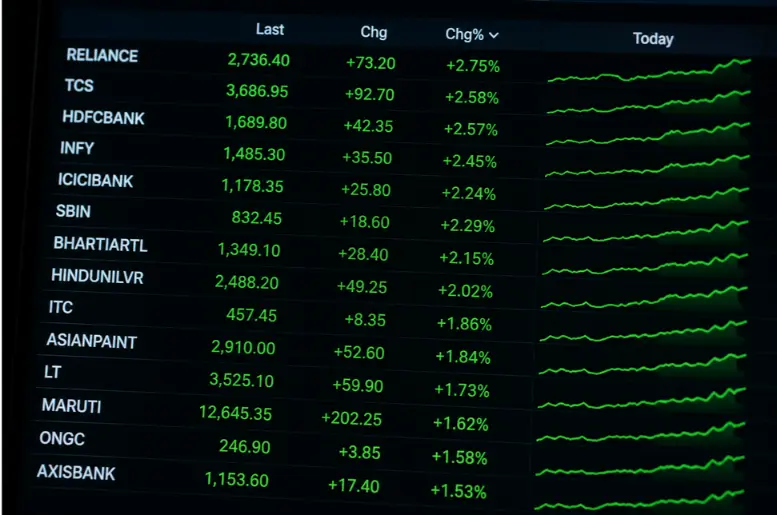
A Listing That Grey Markets
Saw Coming The strength of Wednesday’s debut was not entirely a surprise to anyone tracking the run-up. Shiprocket’s 1,617 crore rupee public offering, open for bidding between August 12 and August 14, drew subscription of nearly 99 times across investor categories, with qualified institutional buyers alone bidding for close to 123 times their reserved portion. That kind of institutional appetite typically foreshadows a strong listing, and Wednesday’s numbers delivered on it almost precisely in line with what grey market indicators had been suggesting in the days before.
Interestingly, the company had originally eyed a considerably larger offering of around 2,342 crore rupees before trimming it down to its final size, a move that in hindsight appears to have helped sharpen investor demand around a more digestible issue.
Money With a Clear Destination
What sets this listing apart from a typical logistics IPO is where the proceeds are headed. Rather than treating itself purely as a shipping and fulfilment company, Shiprocket has signalled that a significant chunk of the fresh capital, roughly 211 crore rupees, will go toward strengthening its technology infrastructure, with an eye on artificial intelligence as the next layer of its platform. Company messaging around the offering framed this ambition plainly: the goal is to evolve from being a logistics enabler into something closer to an operating system that small and medium online sellers across India run their businesses on.
Beyond the tech spend, the company has earmarked close to 294 crore rupees for marketing and brand building, with a further 210 crore rupees set aside to pay down existing debt. With more than 145,000 active merchants already on its platform, Shiprocket is also using part of the fresh funds to push further into international shipping and cross-border fulfilment.
The Numbers Behind the Optimism
Investor enthusiasm did not emerge in a vacuum. Over the three years leading up to the listing, Shiprocket posted a revenue compound annual growth rate of roughly 24 percent, while steadily narrowing its losses, from an adjusted loss of 351 crore rupees in FY24 down to just 76 crore rupees by FY26. Perhaps more tellingly for a company still operating in the red, its cash flow from operations turned positive, reaching 52.6 crore rupees as of March this year, a signal that often matters more to long-term investors than headline revenue figures alone.
Even so, the company remains unprofitable on a net basis, and market analysts have been careful to separate the excitement of a strong listing day from the longer road ahead. Swastika Investmart’s head of wealth, Shivani Nyati, suggested that allottees consider booking partial gains while holding the remainder for the platform’s longer-term story, a fairly standard piece of advice for a stock that priced in in the middle of a broader wave of new-age tech listings this year.
Part of a Bigger IPO Moment
Shiprocket’s debut lands amid what has become an unusually busy stretch for Indian tech and startup listings, with names like Reliance Jio, Flipkart, and several other new-economy companies also making their way through the IPO pipeline this year. For a market that has spent the past few years cautiously testing investor appetite for pre-profit, growth-stage technology companies, a 35 percent listing pop sends a fairly clear signal about where sentiment currently stands, even if the company’s path to sustained profitability is still very much a work in progress.
The Road From Here
The real test for Shiprocket now shifts from the trading floor to the boardroom. Sustaining Wednesday’s momentum will depend on whether its bet on artificial intelligence actually deepens merchant reliance on its platform, and whether narrowing losses eventually give way to consistent profitability. For a company that started out solving a fairly narrow shipping problem for small online sellers, its next chapter looks considerably more ambitious, and considerably more closely watched.