


When Everyone Became a Content Creator Once upon a time, being a content creator was considered a legitimate profession. You may have pictured someone behind the camera, editing videos and photos for hours, writing scripts or creating large audiences from their online presence. Today, you do not need such a big setup.
You do not even need a set, the best camera equipment or thousands of followers to be known as a creator.
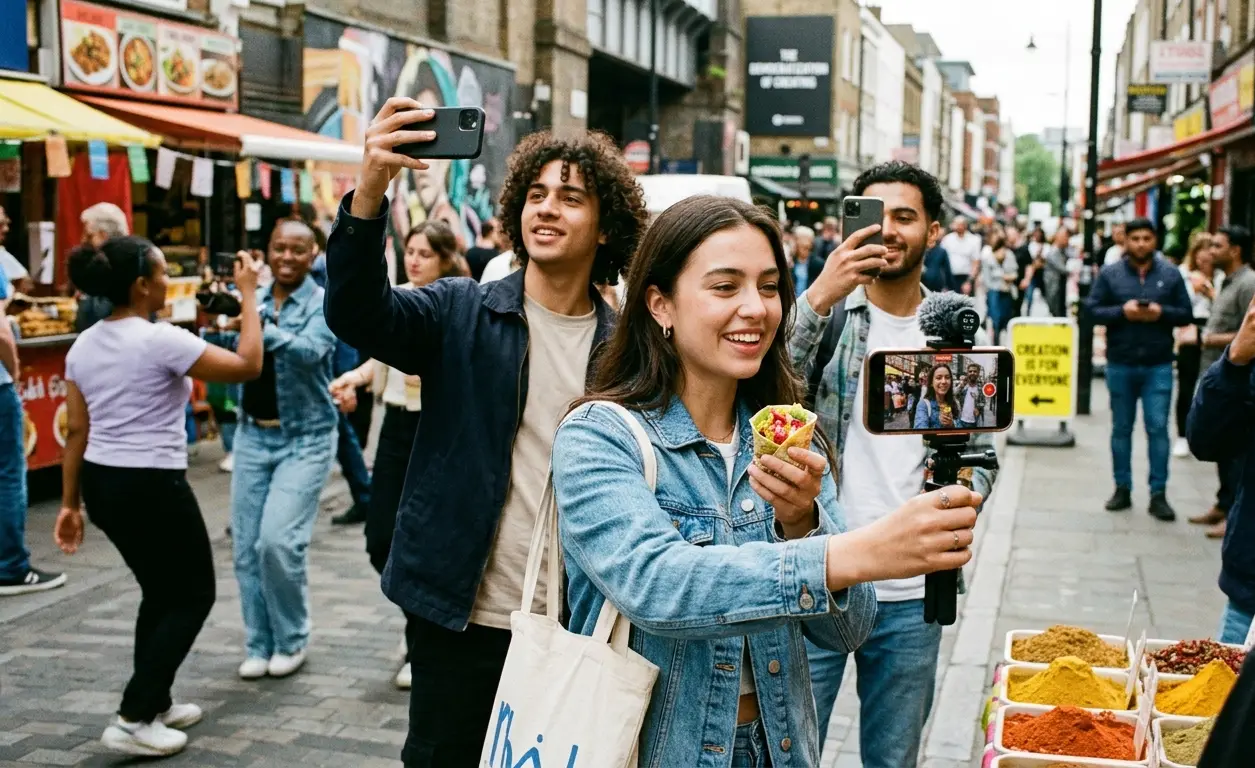
If you have an internet connection and a phone, you can become one. Social media has democratized the field to the extent that everyone is a creator, whether they think so or not. A person just filming a short reel while travelling, sharing their life updates on Instagram, showing off photos from campus, writing their views on x, or capturing some jokes or dances with friends: The difference is as thin as the boundary between an average user and a creator becoming blurred. Moving from consuming to creating A few years ago, most people were mainly coming online to consume.
We watched internet clips, listened to music and radio, read blogs and websites, and followed the football star or model that we liked.
Now, social media platforms like Instagram, YouTube and other quick-reel platforms have made it ridiculously easy for us to post something ourselves. All it takes is to have something to say. A college student can show us how campus life is.
Someone who loves food can tell us where and what to eat. A guy or girl can tell us their style. Even your mundane daily chores can be shown to others.
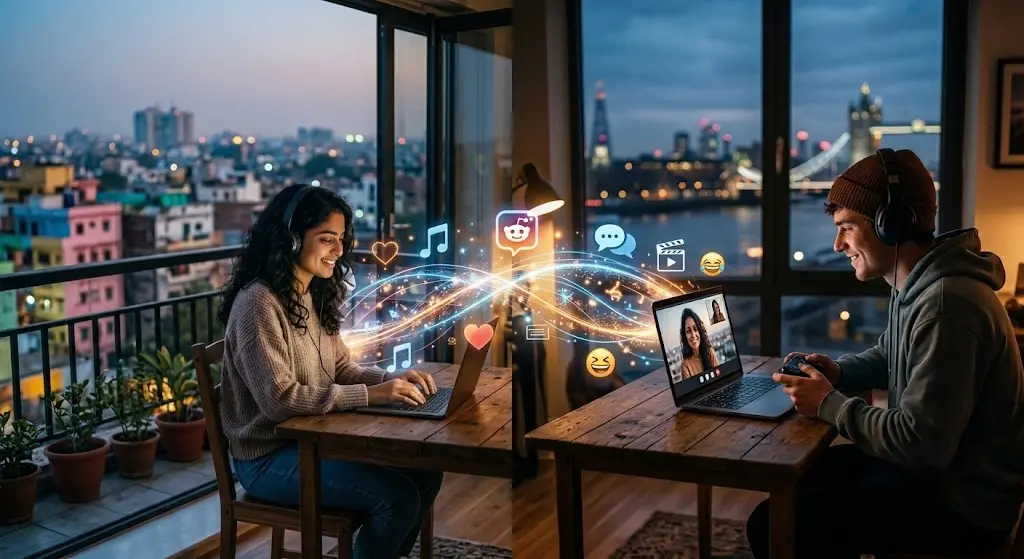
The internet has made the audience and the creator coexist in the same sphere.
Photography became videography The biggest reason for this shift can be attributed to technology. Today, you can take high-resolution videos and pictures, edit and add some music to it, and then upload them in minutes. Today, you do not have to wait for a media organisation, television or a magazine to tell you are good enough to appear on their page. You can build your own platform.
This has also made it easier for anyone to be creative.
Today, someone living in a remote town may be able to reach a viewer who lives hundreds of kilometres away. Where you live does not matter anymore. But being a creator is not always smooth sailing From the outside, creating content may seem effortless.
Just upload a video, get a few hundred likes, and move on. But often, someone who is creating consistently spends a lot of time ideating, filming, editing, writing, responding to comments and figuring out what their viewers want. There is also the added pressure to stay visible.
Once you start getting viewers, you may feel the pressure to continue creating.
You might start thinking that your next post will be as good as the previous one or whether or not your next post will get views. The pressure to remain relevant becomes even more as the number of likes or followers increases. Watching the number of views or likes also makes you start judging your work based on simple numbers. Everyone has a story to tell One of the fascinating parts of this creator ecosystem has been that regular people have started sharing what was once considered unshareable and too boring.
A routine that they do every morning, what happens when they go to college, an experience of a marketplace or a family recipe or opinion, anything and everything now gets to see the light of the web.
As a result, the internet has now become a much more connected place where a large percentage of what we see, listen to, and consume is not just from media channels or people of celebrity standing but also from teachers, shopkeepers, fashionistas and other ordinary people from the neighbourhood. As a result, the internet today is full of normal people’s ordinary lives. The good and the complicated In many ways, the internet is now filled with more creators than before.
This has made it easier for each person to create new opportunities and explore new careers and interests. It has also helped build portfolios and showcase skills, start small-town campaigns, promote small businesses, and build communities. However, the constant need to be creating also creates a pressure of living a moment versus seeing a moment.
There can be times when a person may be so busy thinking about how the moment will look like in the content that they may forget to live the moment for its own sake.
Instead of enjoying it for the content maker that you are, you are simply making content out of it. Watching a sunset thus becomes taking a photo before it turns into a memory, a day out turn into content and funny jokes with friends turn into moments to record. If this sounds like a writer sounding over sensitive, then I would like to clarify that this does not mean social media is bad. It means that living in the moment and sharing about it are becoming the same thing now.
So, are we all creators?
That being said, not everyone is looking to become a professional creator and that’s okay. But one thing is clear: the way we talk to the world online is changing. We are no longer just viewers, we are also writers, storytellers, reviewers, broadcasters, and publishers in our own little corners of the internet.
The good news is that now, we do not need to wait for a television network, a publishing house or a production studio to tell our stories. All we need is a phone and the courage to press “send.”