





FCRA Amendment Bill, 2026 pushed to a 31-member panel following protests from
Tamil Nadu to Mizoram, with a report due before the Winter Session
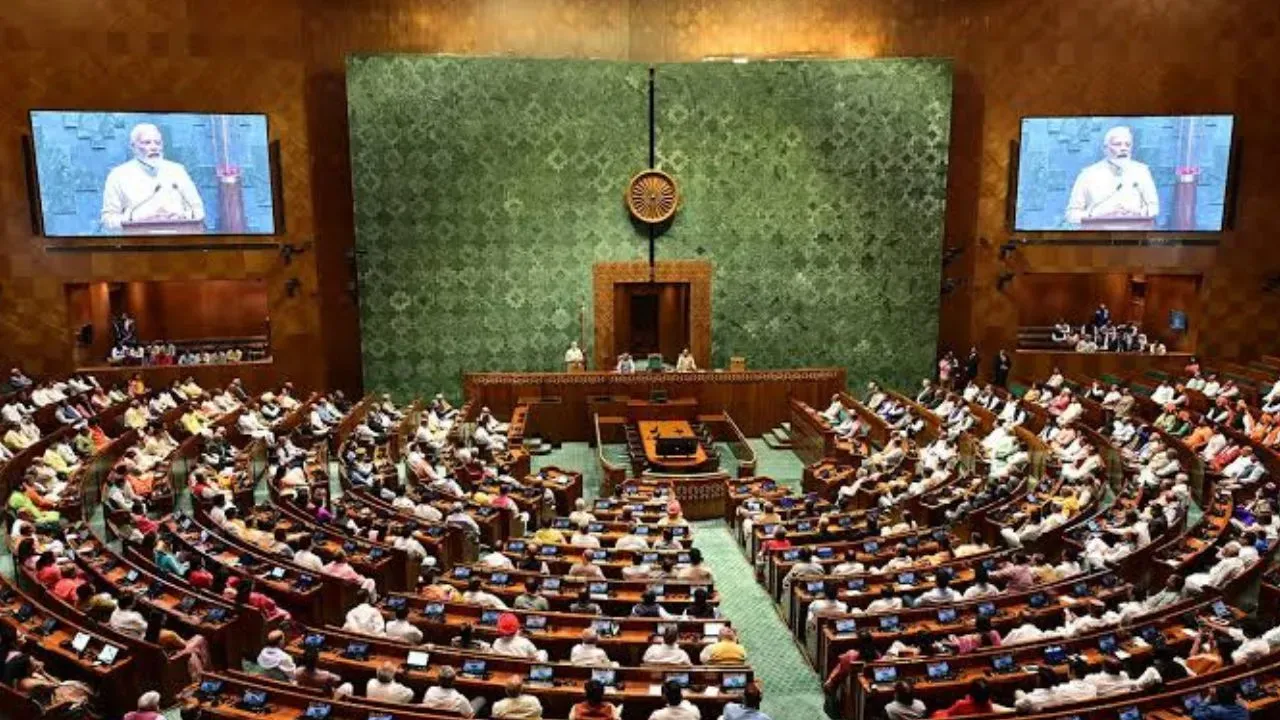
New Delhi saw yet another heated session in the Parliament on Wednesday when the central government pulled back from passing the controversial Foreign Contribution (Regulation) Amendment Bill, 2026 and referred it to the Joint Parliamentary Committee for further review. The development followed weeks of growing opposition to the Bill by various political parties, social organizations, and even the unanimous resolution passed by the Tamil Nadu Assembly calling for its rejection.
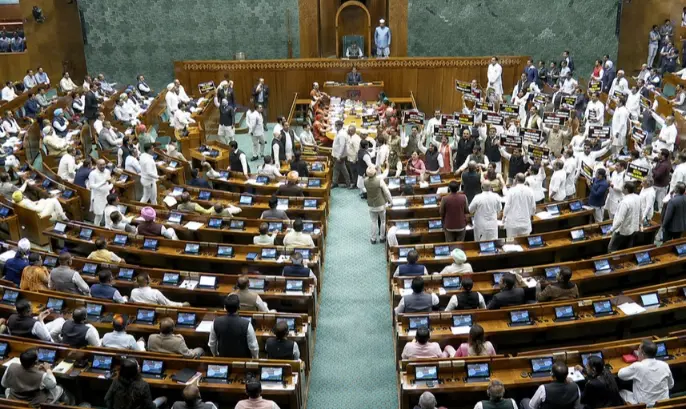
Members of the Lok Sabha during a heated debate over the Foreign Contribution Regulation Amendment Bill, 2026
What Happened in the Lok Sabha
The resolution for referring the Bill to the Joint Parliamentary Committee was proposed by Union Minister of State for Home Affairs Nityanand Rai, and it was accepted by the House amid heavy protests raised by the opposition benches.
The committee is going to consist of a good number of people: 21 members from the Lok Sabha and 10
members from the Rajya Sabha, which means that the Lower House members will be nominated by the Speaker while the Upper House members will be selected by the Chairman of Rajya Sabha.
The time limit for the committee to provide its report was clearly defined: the last day of the first week of
the Winter Session that is expected to take place later this year.
Leader of the Congress Party K.C. Venugopal made use of the moment to present the main request of the
opposition, namely the withdrawal of the Bill since it seems to be directed against NGOs and minority
educational institutions.
The Bill’s Backstory
Foreign Contribution (Regulation) Amendment Bill, 2026 has been proposed for the first time by Minister
Rai in March and has been considered by the government as a measure to increase transparency and
accountability of foreign contributions made to organizations in India. As said by Rai when introducing
the bill that it does not intend to hinder educational institutions and NGOs whose operations are consistent
with the national interests and sovereignty of the country, but the target is those organizations which are
against the Constitution and the interests of the nation.
This bill is based on the already existing Foreign Contribution (Regulation) Act of 2010, previously
amended only once in 2022.
Where the Resistance Is Coming From
However, Opposition to the Bill is not only limited to Parliament. The Tamil Nadu Legislative Assembly
has adopted an unanimous resolution calling on the government to withdraw the Bill as it stands now,
which is significant considering the rarity with which state assemblies get to comment on pending
legislation in the centre. There have been huge demonstrations in Aizawl, the capital of Mizoram over the
same, since Christian missionary groups and affiliated churches operating in the northeast state, and
which depend largely on foreign funds are worried about the proposed law.
Union Minister Kiren Rijiju, on his previous visit to Kerala, tried to allay some of this fear. He said that
the concerns of the Christian missionaries would be duly considered and organizations which are
contributing for the development of the nation would never be disturbed. At the same time, he accused the
opposition parties of spreading misinformation about the Bill for their own vested interests.
A Session With Other Notable Business
This, however, was not the only important piece of legislation on the agenda of the Wednesday session.
Two other bills were passed by Lok Sabha without any discussion. One of them is the Kerala (Alteration
of Name) Bill, 2026, according to which the state will be renamed as Keralam.The second bill concerns
the National Co-operative Development Corporation (Amendment) Bill, 2026.
Moreover, the current session took place against the backdrop of a significant date, which marks the 150th
anniversary of the birth of the song Vande Mataram. This song will be performed from the ramparts of
Red Fort for the first time this Independence Day.
What Comes Next
Now that the Bill has reached the stage of being referred to a JPC, what will become apparent in the coming months is either if the government will amend any of the clauses of the Bill due to the criticism it has faced or if the JPC exercise becomes yet another lengthy stand-off, as it did in previous instances of Bills referred to such a committee, for example, the Waqf Amendment Bill.