





We live in a time when almost everything happens through a screen. From waking up in the morning to going to bed at night, the internet has become a regular part of our daily routine. We check messages, scroll through social media, watch videos, read news and share small moments of our lives online. Being connected has become so normal that spending time without the internet sometimes feels unusual.
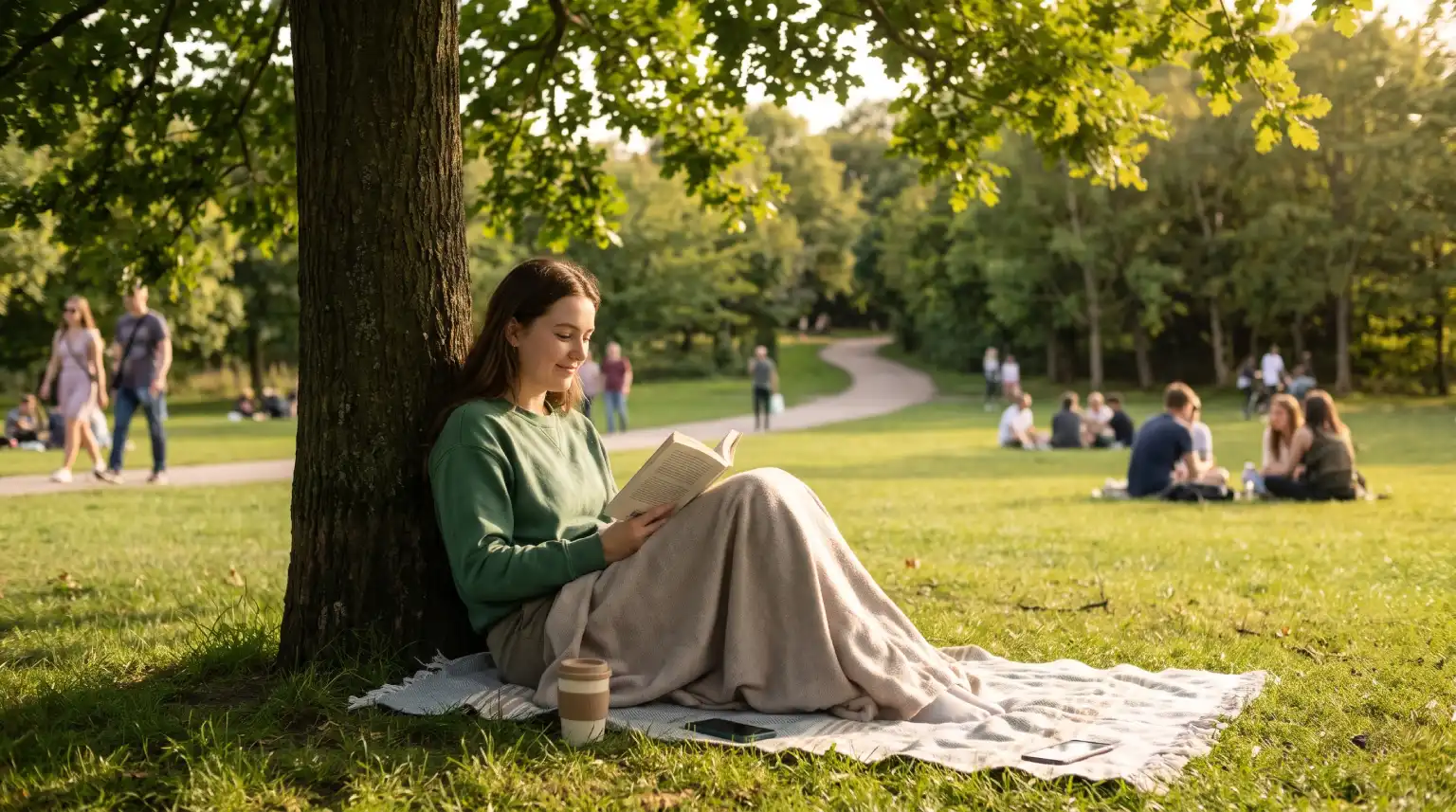
However, an interesting change is taking place. More people are beginning to appreciate the experience of being offline. Taking a break from social media, keeping phones away during meals and spending time without checking notifications are becoming meaningful choices. In a world that constantly demands attention, being offline is slowly becoming a new way of finding balance.
The Need to Escape Constant Notifications
One of the biggest reasons people want to spend time offline is the continuous flow of notifications. Every message, comment, like and update creates another reason to look at a phone. Even when people are doing something important, their attention can easily shift towards the screen.
Over time, this habit can make ordinary activities feel interrupted. Reading a book, completing homework or having a conversation becomes difficult when the mind is constantly expecting another notification.
Being offline provides an opportunity to step away from these interruptions. It allows people to concentrate on one activity without feeling the need to check what is happening elsewhere.
Social Media Fatigue Is Becoming Real
Social media was originally created to connect people, share experiences and provide entertainment. Today, however, using it can sometimes feel like an endless responsibility.
People regularly see photographs of holidays, achievements, celebrations and exciting lifestyles. Although these posts represent selected moments, viewers may compare them with their own everyday experiences. This can create unnecessary pressure to appear successful, attractive, interesting or constantly happy.
As a result, some people are choosing to spend less time on social platforms. They are realising that they do not need to share every experience or respond to every online discussion. Sometimes, enjoying a moment privately feels more satisfying than turning it into a post.
Rediscovering the Beauty of Ordinary Moments
One interesting benefit of being offline is the opportunity to notice things that often go unnoticed. A morning walk, a conversation with grandparents, the sound of rain or a peaceful evening can become more enjoyable when attention is not divided between the real world and a digital screen.
Many ordinary experiences do not require photographs, captions or online reactions to become memorable.
For younger generations, especially students, spending time offline can also create opportunities to explore hobbies such as painting, reading, cooking, gardening and playing outdoor games. These activities offer experiences that are not measured through views, followers or likes.
Real Conversations Matter More Than Online Reactions
Digital communication has made it easier to stay in touch with people across different cities and countries. However, online conversations cannot always replace the experience of sitting with someone and talking without distractions.
Face-to-face communication includes expressions, gestures, eye contact and tone of voice. These small details often make conversations more meaningful.
When people put their phones aside during meetings, family gatherings or conversations with friends, they communicate a simple message: the person in front of them deserves their attention.
Being offline does not mean rejecting technology. It means recognising that some relationships need personal time and genuine attention rather than regular digital interaction.
The Rise of Digital Detox Culture
The growing interest in digital detox reflects people’s desire to develop healthier relationships with technology. A digital detox does not necessarily mean leaving the internet permanently. It simply involves creating specific periods when digital devices are not the centre of attention.
Some people avoid using their phones immediately after waking up. Others establish screen-free meal times, switch off unnecessary notifications or spend weekends participating in outdoor activities.
These small decisions can help people become more aware of how frequently they use their devices. They also encourage individuals to use technology with a purpose instead of opening applications automatically whenever they have free time.
Being Offline Is Becoming a Personal Choice
Earlier, being unavailable online might have been considered inconvenient or unusual. Today, many people understand that they do not have to be accessible every minute.
Not replying immediately does not necessarily mean ignoring someone. Avoiding social media for a few days does not mean losing interest in the world. Similarly, choosing not to post personal experiences does not make someone’s life less interesting.
This changing attitude represents a growing awareness of personal boundaries. People are beginning to understand that their time and attention are valuable, and they have the right to decide where they want to invest them.
Finding a Balance Between the Digital and Real World
Despite its growing appeal, being offline completely is not practical for everyone. Students depend on the internet for educational resources, professionals use digital platforms for work, and families rely on messaging applications to remain connected.
Therefore, the real solution is not to treat technology as an enemy. It is to develop a balanced relationship with it.
Using the internet for learning, communication and creativity while making time for offline experiences can create a healthier routine. The objective should be to control technology rather than allowing technology to control every available moment.
Conclusion
The growing appeal of being offline reflects a simple human desire: to experience life without constantly looking at a screen. People are slowly recognising that not every moment needs to be documented, every message needs an immediate response and every free minute needs digital entertainment.
In an online world where attention has become valuable, choosing to disconnect occasionally can be a meaningful decision. Being offline is not about disappearing from society; it is about becoming more present in everyday life.
Perhaps the most interesting part of this growing trend is that people are not necessarily searching for a world without technology. They are searching for a world in which technology does not take away the beauty of living beyond the screen.