





Introduction
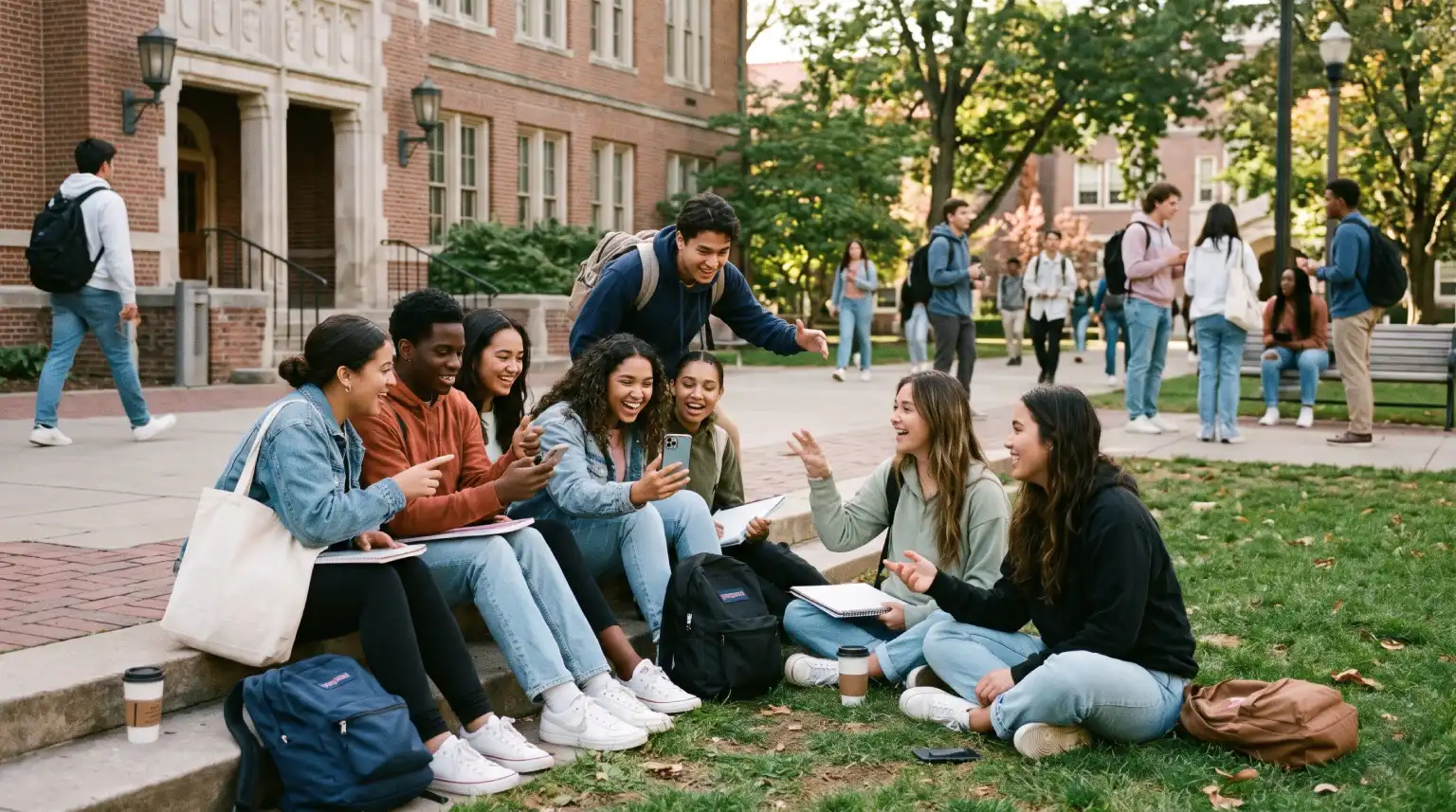
College life has always been a phase of learning, friendship, self-discovery and unforgettable experiences. However, the meaning of college life has changed significantly with the growth of the internet and social media. Today, students do not just follow classroom schedules, participate in college events or interact with their friends on campus. They are also connected to a digital world where trends emerge every day. From viral dance challenges and fashion styles to internet slang, memes and online discussions, digital trends have become an important part of campus culture.
What begins as a simple online trend can quickly become a common topic among classmates. Sometimes, it brings students closer, while at other times, it creates pressure to fit into a particular lifestyle.
Social Media as a Part of Campus Culture
Social media platforms have become an extension of college campuses. Students use Instagram, YouTube, Snapchat and other platforms to share photographs, celebrate achievements, promote college events and stay connected with friends.
A popular trend can easily become part of everyday college conversations. A viral meme might become an inside joke among classmates, while a trending audio can inspire students to create videos during college festivals. Even small activities, such as taking pictures in a particular pose or using a popular caption, can become common among students.
These trends create a shared digital culture in which students feel connected through similar interests and experiences.
The Influence of Fashion and Personal Style
Online trends have also changed the way college students explore fashion. Clothing combinations, hairstyles, accessories and aesthetic ideas that become popular on social media often find their way into college corridors.
Students discover different styles through influencers, fashion creators and online communities. Some experiment with traditional outfits, while others explore casual, vintage or contemporary fashion.
This influence is not always about copying others. For many students, online platforms provide an opportunity to discover styles they might never have considered before. However, constantly seeing carefully presented lifestyles can sometimes create unnecessary pressure to look fashionable or maintain a particular appearance.
Viral Challenges and College Friendships
One interesting aspect of online trends is their ability to turn ordinary college moments into memorable experiences. Viral challenges, group reels, dance trends and funny video formats often encourage students to participate together.
For example, friends may recreate a trending video during a free lecture, make humorous reels about examinations or participate in challenges during college celebrations.
These activities provide entertainment and sometimes help students overcome hesitation while interacting with others. A student who rarely participates in classroom discussions might feel more comfortable expressing creativity through a group video.
In this way, online trends can become a medium of friendship, teamwork and shared memories.
The Pressure to Stay Updated
Although online trends offer entertainment, they can also create a feeling that students must constantly stay updated. A new trend appears almost every day, and missing it sometimes makes students feel disconnected from conversations happening around them.
There is also a tendency to compare one’s college experience with what others post online. Pictures of expensive cafés, exciting trips, fashionable outfits and large friend groups can create the impression that everyone else is enjoying a more interesting college life.
The reality, however, is often different. Social media usually presents selected moments rather than the complete picture. Students need to understand that an enjoyable college experience cannot be measured through likes, followers or the popularity of their posts.
Changing Language and Communication
Internet culture has introduced a new style of communication among college students. Words such as ‘delulu’, ‘POV’, ‘sus’, ‘slay’ and ‘no cap’ have gradually entered everyday conversations.
Memes and viral phrases are often used to express emotions that might otherwise require a long explanation. Students sometimes communicate through references to popular videos or jokes that only their friend group understands.
This changing language makes conversations entertaining and reflects how quickly digital culture influences everyday communication. At the same time, students must understand when informal internet language is appropriate and when formal communication is necessary, especially in academic and professional settings.
Influence on Learning and Career Opportunities
Not every online trend is limited to entertainment. Many digital trends encourage students to learn new skills and explore career possibilities.
Educational creators make difficult subjects easier to understand, while online communities introduce students to internships, competitions, workshops and professional opportunities. Trends related to content creation, podcasting, photography, digital marketing and personal branding have encouraged many young people to explore their creative interests.
For mass communication students in particular, observing online trends can also develop an understanding of audience behaviour, digital storytelling and media influence.
However, students must learn to distinguish useful information from misleading content. Not every viral educational post is accurate, and checking information before sharing it is an important digital skill.
The Disappearing Boundary Between Online and Offline Life
One major change brought by online trends is the growing connection between digital activities and real-life experiences. College events are often planned with photographs and videos in mind. Students sometimes visit places because they have become popular on social media, while ordinary campus moments are increasingly recorded and shared online.
Although documenting memories can be enjoyable, constantly thinking about how an experience will look on social media can take attention away from the actual moment.
College is also about conversations that are never recorded, friendships that do not need public appreciation and experiences that remain meaningful without being posted online.
Conclusion
Online trends have become an important part of modern college life. They influence fashion, communication, friendships, entertainment and even career choices. They allow students to express themselves, discover new interests and connect with people who share similar ideas.
However, trends should remain a source of inspiration rather than a measure of popularity or personal worth. Students should feel free to participate in what interests them and ignore what does not.
Ultimately, college life is much bigger than a viral reel or a trending hashtag. The most valuable memories are often created through genuine friendships, unexpected opportunities, classroom experiences and personal growth. Trends may change every week, but the lessons and relationships developed during college can remain meaningful for years.