


Introduction
No one knows who created the first “Distracted Boyfriend” meme.
Meme culture is like the weather—sometimes it’s there, sometimes it’s not. You may spend a whole week talking about it with friends, and then, suddenly, you haven’t seen or heard of it for a month. You feel a little nervous bringing it up again.
This pattern has been happening for years.
It always goes the same way: someone comes up with a meme, it becomes popular for a while, and then it fades. The next one takes its place.
Birth: the accident
Memes are rarely made on purpose.
They usually start with a random picture—you might see a stock photo, a poor-quality reality TV clip, or a blurry shot of a cat. Someone adds a funny caption, and the image becomes popular with a few hundred or even a few thousand people. Rarely does someone sit down and say, “I’m going to make a funny meme.” More often, it’s someone stumbling upon something by accident and deciding to play around with it.
The key to a successful meme is keeping it loose, so it can be reimagined and re-told in different ways.
The original versions are usually the worst, but they are also the best because they feel authentic and personal, even if the people involved have never met.
Adolescence: the remix
As the meme gains traction, people start changing it.
They add new captions, place it in new contexts, or use it for different situations. At its peak, the meme is so adaptable that just about anyone can use it.
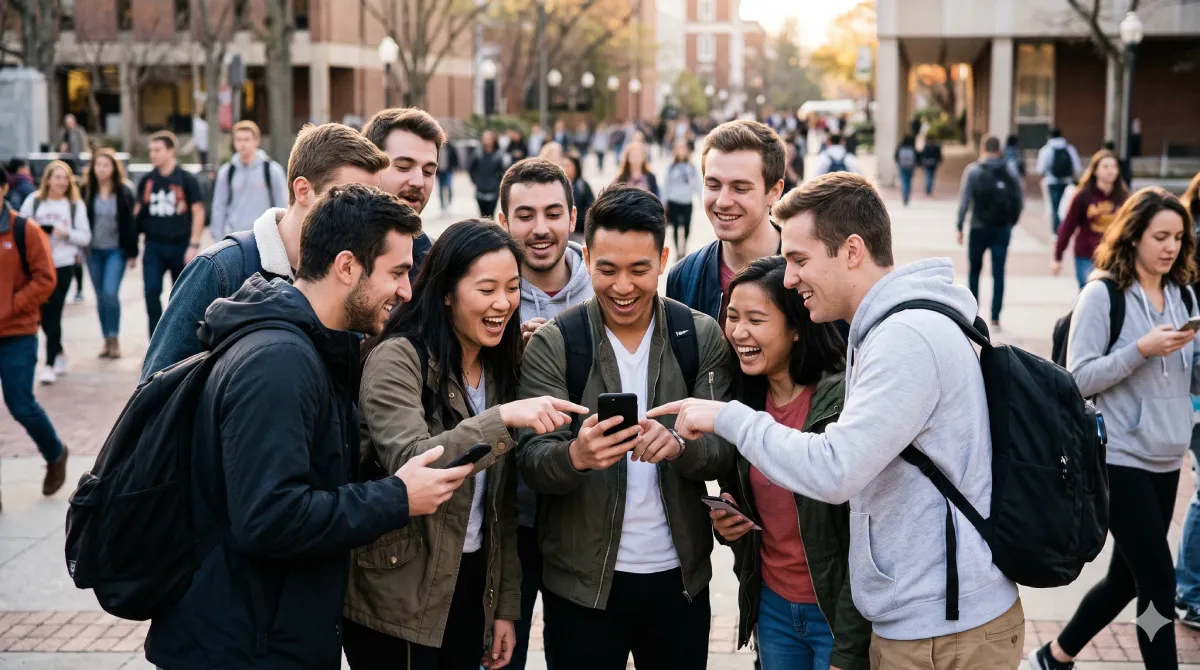
One sign that a meme has reached its peak is when your group chat starts using it without any explanation.
No one asks what it means or needs you to look it up. Everyone is using the same thing, and no one even realizes they’re doing it.
Adulthood: the brands weigh in
At some point, someone at a big company notices the meme and thinks it could be useful for marketing.
The next day, the same image might be used to sell chips. Meme culture has a complicated relationship with brands. Corporations aren’t necessarily bad, but they have a certain vibe, a kind of feel that people can pick up on.
Once a meme becomes a commercial product, it starts to lose its charm.
It no longer feels as genuine, and its popularity drops. People don’t use it on their own anymore; they do it because of broader cultural influences.
Death, and the thing that nobody admits
Memes don’t really die.
They just lose their appeal. Using them again can feel like a form of punishment. The audience for a given meme is always very specific. Once it stops being funny, it’s hard to justify using it again without looking foolish. The meme may still be clever, but the audience has moved on.
However, if you wait long enough, the cycle might repeat.
A meme can resurface in popularity among a new generation that thinks it’s from the past. Nostalgia is a strange thing, and internet culture has a short memory. Something from 2012 might be seen as embarrassing in 2016, heartwarming in 2020, and a quaint relic by 2021.Meme culture, ironically, is one of the few ways to understand our culture and its strange relationship with itself.
Why this matters more than it seems
This whole process could be dismissed as just fun and games.
But memes are one of the few things on the internet that are truly democratic. They can’t be mass-produced by a single company or entity. They are the language we all speak, constantly evolving, constantly being replaced by something new.
The fact that no one really owns a meme is what makes them special.
Companies have attempted to create these things, but with limited success, because ultimately, the best memes are those that no one specifically asked for.
I often find myself reflecting on this when I come across a humorous image or piece of text that I had never seen before. Someone crafted this for me in just about ninety seconds, and within a few weeks, it will likely be forgotten by everyone except the most annoying of geeks. There is a certain romance in that. We all participate in this cultural phenomenon, and we all eventually move on, leaving behind small fragments of ourselves for others to discover and then forget.