
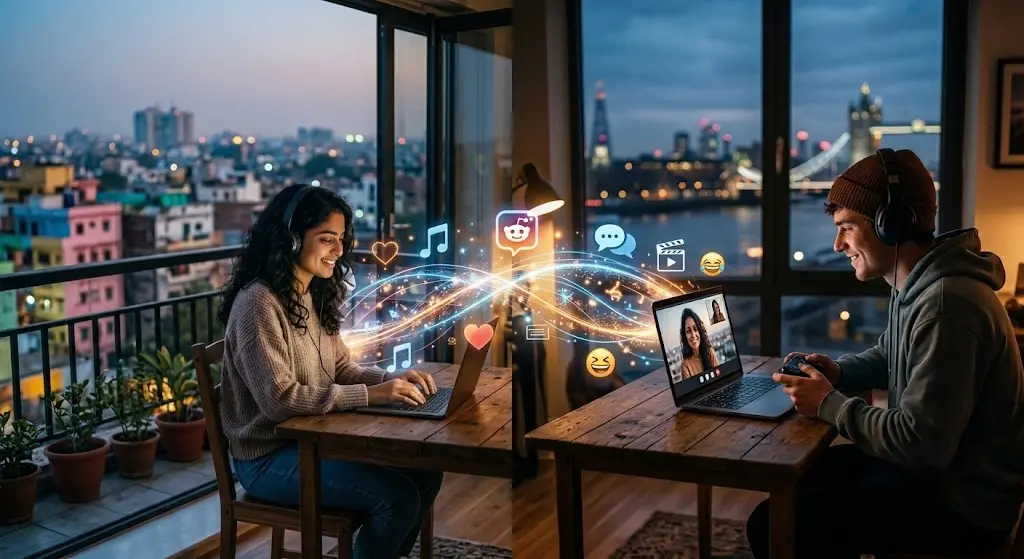


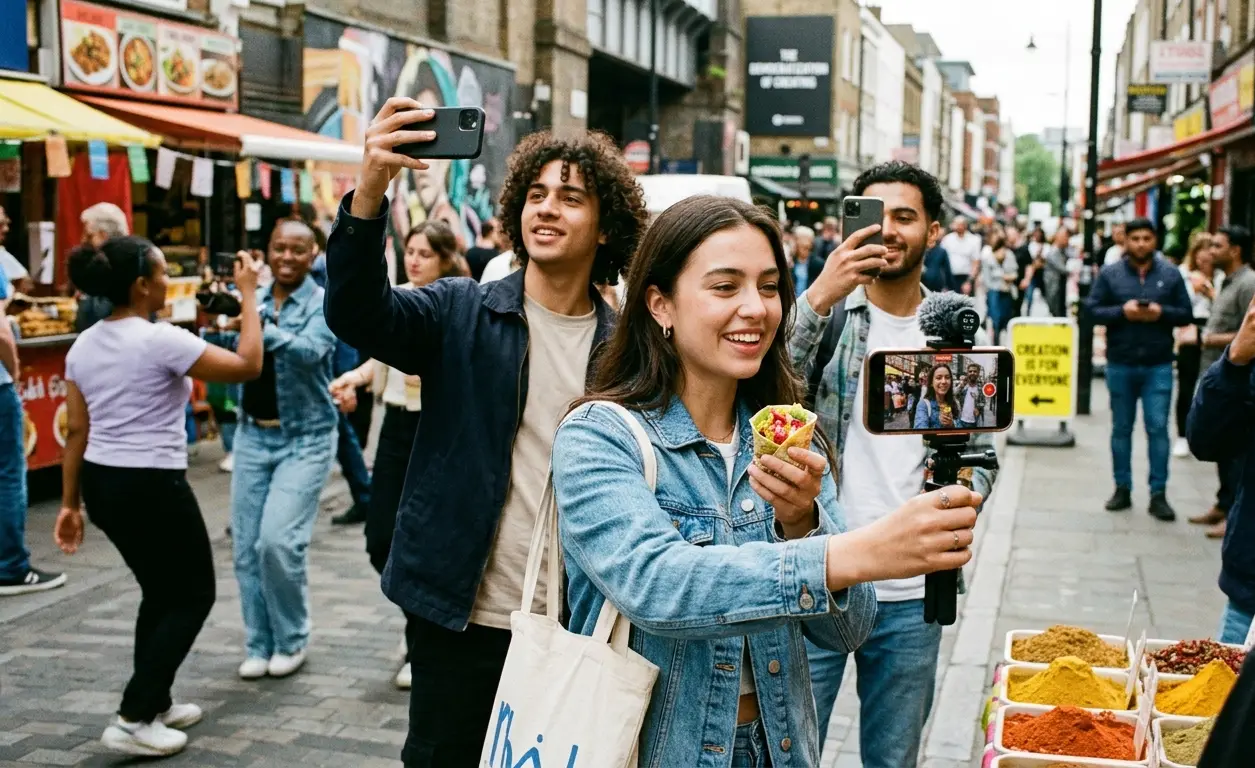


Every day, millions of posts are created online, yet only a small number become widely shared. A humorous video, an uplifting message, an unusual photo, or even a simple comment can unexpectedly gain a lot of attention on social media. Sometimes, the person who shared the content didn’t expect it to become popular.
But why do some things become viral?
What is it about them that makes them so engaging? And why do we care so much about making things go viral? The simplest explanation is that we are human. headlines or video thumbnails; they make us curious enough to click and find out what’s really there.
However, once we click, we might be disappointed. If the post is unable to satisfy our curiosity, we are less inclined to share it or come back to it again.
The Need to Belong
People do weird things to feel like they are a part of something.
One of the biggest reasons why there’s so much viral content on the internet is that often we are trying to belong somewhere. We join social media challenges so that we feel like everyone is doing it. We use the same phrases and sounds so that we feel connected with the people around us. When memes, hashtags, catchphrases, or even just a certain sound go viral, it’s because people are trying to feel like they are a part of the group. When something goes everywhere, it makes people feel like they should know about it too, so they try to follow along so that they are not left out. This causes popularity to breed popularity; when more people see a certain trend, they are more inclined to jump onto it, which then makes it more popular.
Social Proof and Popularity
One of the ways why we try to belong with others is that we often look up to people who are popular. We often look at what they do and want to do it too. Social proof is the concept where we base what’s right or not by what a large group of people are doing. If something is being liked or shared a lot, it’s often because many people agree that it’s good, which makes others want to join in as well.
A post with ten views might not get as much attention as a post with ten million views. Views, likes, comments, shares; all of these often determine how popular a post will be. With enough popularity, a post can become a viral sensation that everyone talks about.
The Power of Surprise
As humans, we are often surprised by the things around us. Something can be funny, amazing, or strange, but either way, it catches us off guard. That’s part of the reason why we love surprising content so much. We look for things that surprise us because it makes us feel something. It can be good or bad, but anything unexpected can capture our attention and make us want to engage with the post.
Timing Matters Too
Sometimes, no matter how good something is, it still fails to go viral because it was made at the wrong time. It is not always the content that makes something go viral, it is also the timing.
A post that talks about a certain holiday, a trending topic, a popular movie, a game, or a sports event might have a better chance of going viral because it’s able to connect with the people who are looking for that sort of content. With more people being interested in what you have to say, it’s much easier for someone to share it with others.
Algorithms and Human Psychology
While the psychology behind viral content is pretty interesting, it is not the only reason why something goes. Algorithms have a large role in this ecosystem as well. Algorithms look for certain engagement patterns and then promote content based on what keeps us engaged.
A post that goes viral can be related to a particular event that is happening at the time. It can be related to a holiday, a movie, a sports event, or even a particular trend. In other words, the timing of the post can play a big role in its success.
Human psychology is only one part of the equation. The other part is the algorithms that social media platforms use.
They are designed to make the most popular content go viral. In other words, they are designed to promote content that people are interested in. The more people watch a post, the more likely it is to be promoted by the algorithm. This means that a post that has ten views has a much better chance of going viral than a post that has only one view.
It should also be noted that human psychology and algorithms are closely related. People’s actions influence the algorithm, and the algorithm, in turn, influences people’s actions.
In other words, a post that has a lot of views and comments will be promoted by the algorithm, thus getting even more views and comments.
The Role of Negativity
Not all posts that go viral are positive. Sometimes, they are controversial or even negative. However, they still go viral for the same reason as positive posts: because they inspire people to share them. Controversial topics can be a good way to make a post go viral. They can also attract a lot of negative attention, which can be bad for the author of the post. However, they can also help the post become more popular. People often share negative content because it reflects their negative emotions or beliefs. Moreover, negative content can often be more engaging than positive content. It can also be more likely to go viral because it can be shared by more people.
However, it is important to remember that negative content can also be dangerous. It can lead to the spread of misinformation and rumors, which can be harmful to people.
Going Viral Is Not Always the Same as Being Successful
It is important to remember that going viral is not always a good thing. It can be a doubleedged sword. On the one hand, it can make a post popular and increase its reach. On the other hand, it can also lead to negative consequences, such as doxing, hate speech, or even cyberbullying.
Moreover, going viral is not always the same as being successful. A post that goes viral may have millions of views, but it may not necessarily be successful in terms of engagement or community building. It may have a lot of views, but no comments or likes. In other words, it may have reached a lot of people, but it did not really connect with them.
Conclusion
Going viral is a complex phenomenon that is influenced by many factors. It is not just a matter of luck, but it is also a matter of human psychology. People are often inspired to share content that resonates with them, whether it is positive or negative. They are also often surprised by things that are unexpected. Moreover, they want to be a part of something bigger than themselves, which is why trends become so popular.
Algorithms can also play a big role in making a post go viral. They can amplify the reach of a post, thus making it more popular. However, it is important to remember that going viral is not always a good thing. It can have both positive and negative consequences, depending on the context in which it happens.Ultimately, the reason why something goes viral is because people want to share it. After all, it is human nature to want to laugh, cry, engage, and be surprised. It is what makes us human.