





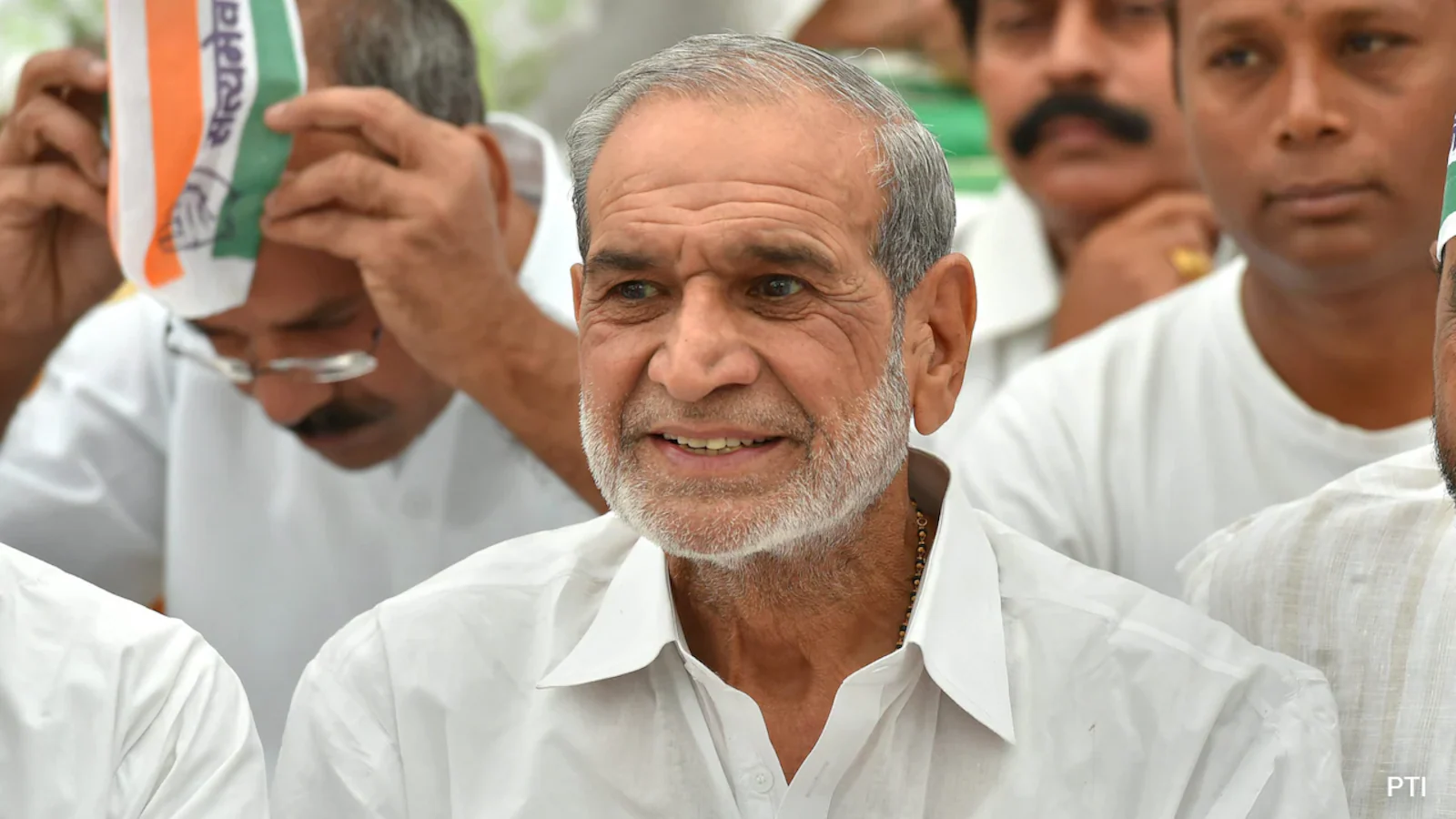
Former Congress MP passes away while serving a life sentence, closing one chapter of a legal saga that stretched across four decades
Sajjan Kumar, the former Congress MP whose conviction in the 1984 anti-Sikh riots case marked one of the most significant legal reckonings in India’s post-independence history, died on Thursday at the age of 80. He was undergoing treatment at Safdarjung Hospital in Delhi at the time of his death, having spent his final years serving a life sentence connected to the killings that swept the capital four decades ago.
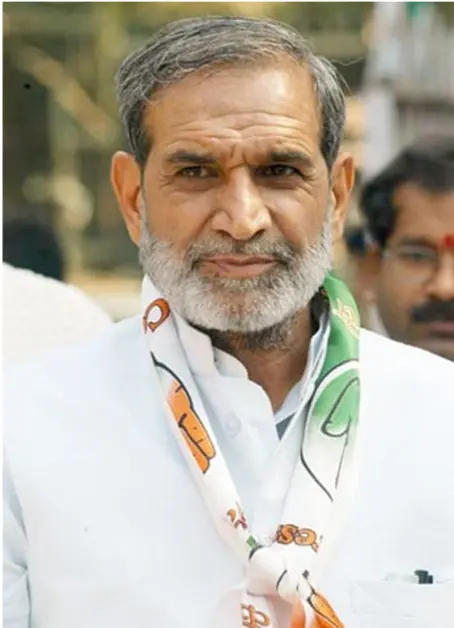
Former Congress MP Sajjan Kumar
A Political Career Overtaken by Its Past
Kumar represented the Outer Delhi constituency in the Lok Sabha multiple times between 1984 and 2004, building a long political career within the Congress party before the weight of the 1984 case eventually caught up with him. He resigned from the party in 2018, shortly after the Delhi High Court handed down its first conviction against him, ending decades of political life under a cloud that had followed him since the riots themselves.
A Legal Battle That Refused to Settle
The case that came to define Kumar’s later years centred on the killing of five Sikhs and the burning of a gurdwara in Delhi’s Raj Nagar area during the first days of November 1984. After being acquitted by a trial court years earlier, that verdict was overturned by the Delhi High Court in December 2018, which convicted him of criminal conspiracy and abetment to murder and sentenced him to imprisonment for the remainder of his natural life. The bench overseeing the case did not mince words in its ruling, describing the killings as crimes against humanity that would continue to trouble the collective conscience of society for years to come.
Kumar’s legal troubles did not end there. In February 2025, a separate Delhi court handed him a second life sentence, this time for the murders of Jaswant Singh and his son Tarundeep Singh, also killed during the same wave of violence. Yet the story took an unexpected turn just months later, when in January 2026 a Delhi court acquitted him in a different case tied to violence in the city’s Janakpuri and Vikaspuri areas, where two men had been killed on the same catastrophic day in 1984. That acquittal reflected the fractured nature of the broader legal process, one in which Kumar faced parallel prosecutions across multiple cases with sharply different outcomes.
The Violence That Shaped a Generation
The riots at the heart of these cases erupted after Prime Minister Indira Gandhi was assassinated by her own Sikh bodyguards on October 31, 1984, in retaliation for the military operation at the Golden Temple earlier that year. Over four days that followed, mobs across Delhi killed more than 2,700 Sikhs, with thousands more losing their lives in cities across the rest of the country. The Delhi High Court’s 2018 verdict noted plainly that many of those responsible had escaped justice for decades due to political patronage and an indifferent law enforcement response at the time, a observation that shaped how the case was viewed as it slowly wound its way through India’s courts.
A Case That Outlived the Accused
Kumar’s death does not fully close the book on the 1984 riots prosecutions. Several related cases involving other individuals accused of participating in or inciting the violence remain under trial or under appeal in higher courts, meaning the broader legal reckoning over that period of Indian history continues even as one of its most prominent figures is no longer alive to see it through. For families who spent decades pursuing justice through India’s courts, Kumar’s passing arrives as a reminder of both how far that pursuit has come and how much of it remains unresolved for others still awaiting verdicts of their own.
What His Death Leaves Behind
Kumar’s passing draws a line under one of the most closely watched individual prosecutions to emerge from the 1984 violence, but it does not resolve the larger questions that have surrounded the case for forty years. Whether the remaining prosecutions tied to that period reach their own conclusions, and how India’s institutions continue to grapple with a chapter of communal violence that has shaped its political memory, remains a story still being written well beyond any single individual’s fate.