
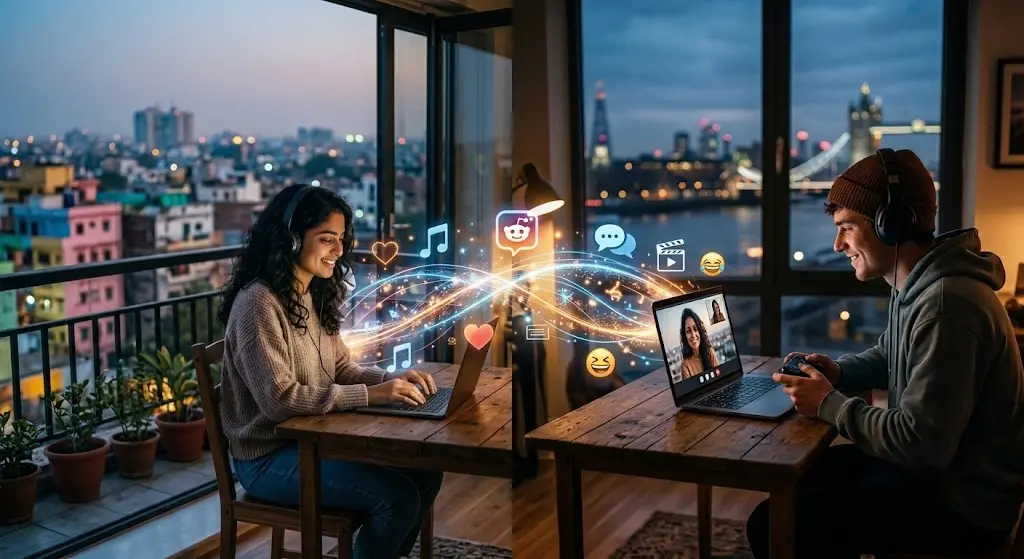



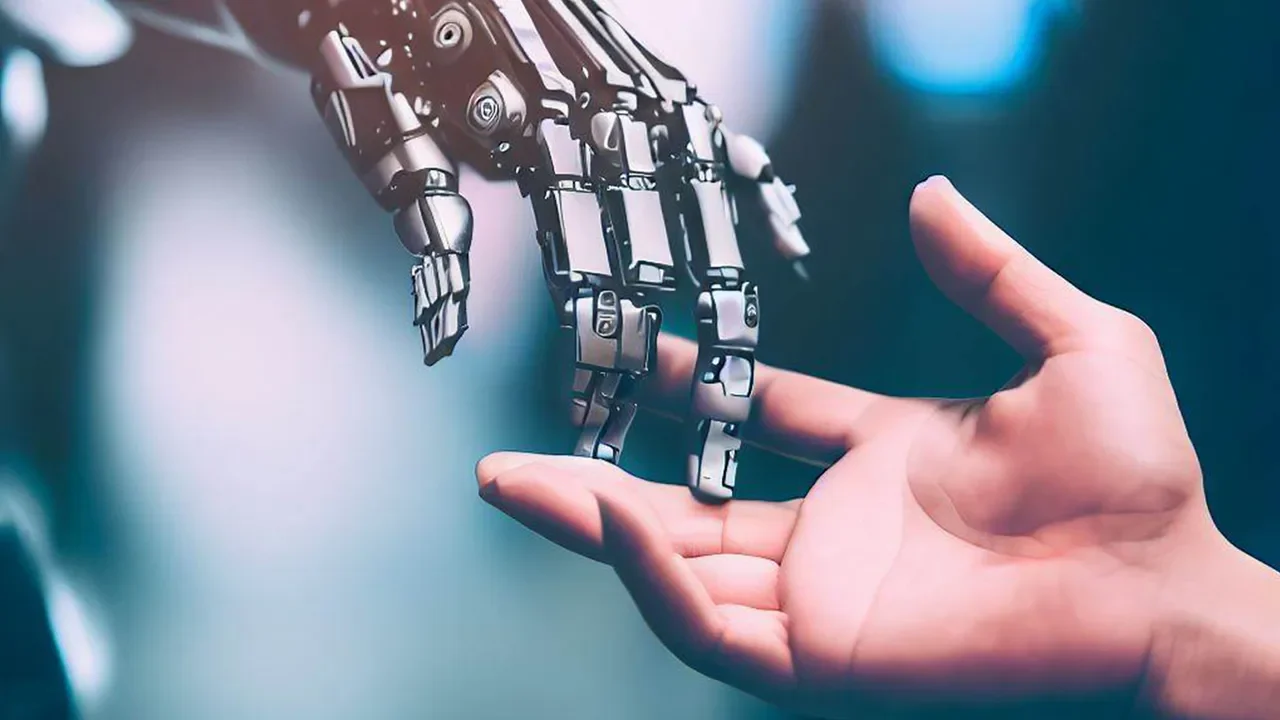
“ The future people feared has already arrived“ tech leaders like Elon Musk once warned that artificial intelligence could become one of humanity’s greatest risks. Yet, while the world debated ai’s dangers, it quietly entered our daily lives. Today, ai wakes us up with smart alarms, guides us through traffic, recommends what we watch, and even helps us communicate. What was once feared as a distant possibility has become an unavoidable part of modern life.
Ai’s influence can now be found almost everywhere. Every time we unlock our phones using facial recognition, ask a virtual assistant a question, or receive personalized recommendations on YouTube and Netflix, we are interacting with ai . What makes ai unique is that it often works in the background, making our daily experiences smoother without drawing attention to itself.
Beyond entertainment, AI has also transformed the way people work and study. Students use AI-powered tools for research and learning, while businesses rely on AI to automate tasks, analyze data, and improve customer service. As a result, many processes that once took hours can now be completed within minutes.
There is also the growing concern of overdependence on technology. As people rely more on AI for decision-making, problem-solving, and everyday tasks, critical thinking and human judgment may become less valued. While AI is a powerful tool, it is not perfect and can sometimes make mistakes or reflect biases present in the data it was trained on.
AI is here to stay. What once seemed like a distant technological breakthrough has become an essential part of modern life. From the way we communicate and learn to how we work and entertain ourselves, AI continues to shape our daily experiences. While concerns about privacy, misinformation, and job displacement cannot be ignored, the benefits of AI are undeniable. The challenge is not whether AI should exist, but how society chooses to use it responsibly. As technology continues to evolve, one thing is certain: AI will play a major role in shaping the future, and adapting to it will be essential for individuals and businesses alike.