
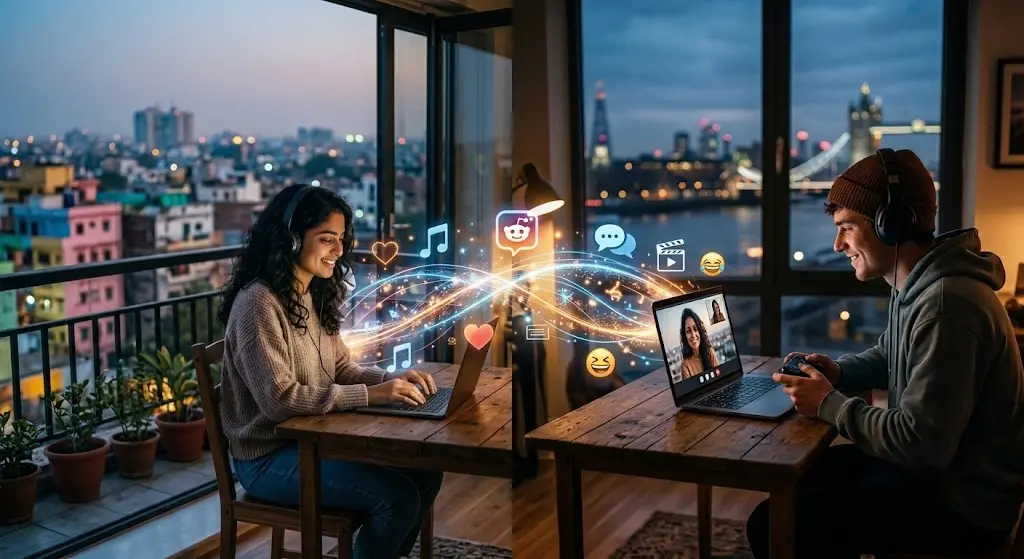


The internet has always been a fertile ground for spreading ideas. It has seen the rise of memes and internet challenges, social media platforms, and virtual communities. Today, however, a new force is reshaping internet culture like never before—Artificial Intelligence (AI).
AI is no longer limited to science fiction or advanced research laboratories. It has become an integral part of everyday online experiences. From personalized recommendations on YouTube and social media to AI-powered chatbots capable of generating text, images, videos, and music, artificial intelligence is influencing how people interact with the digital world.
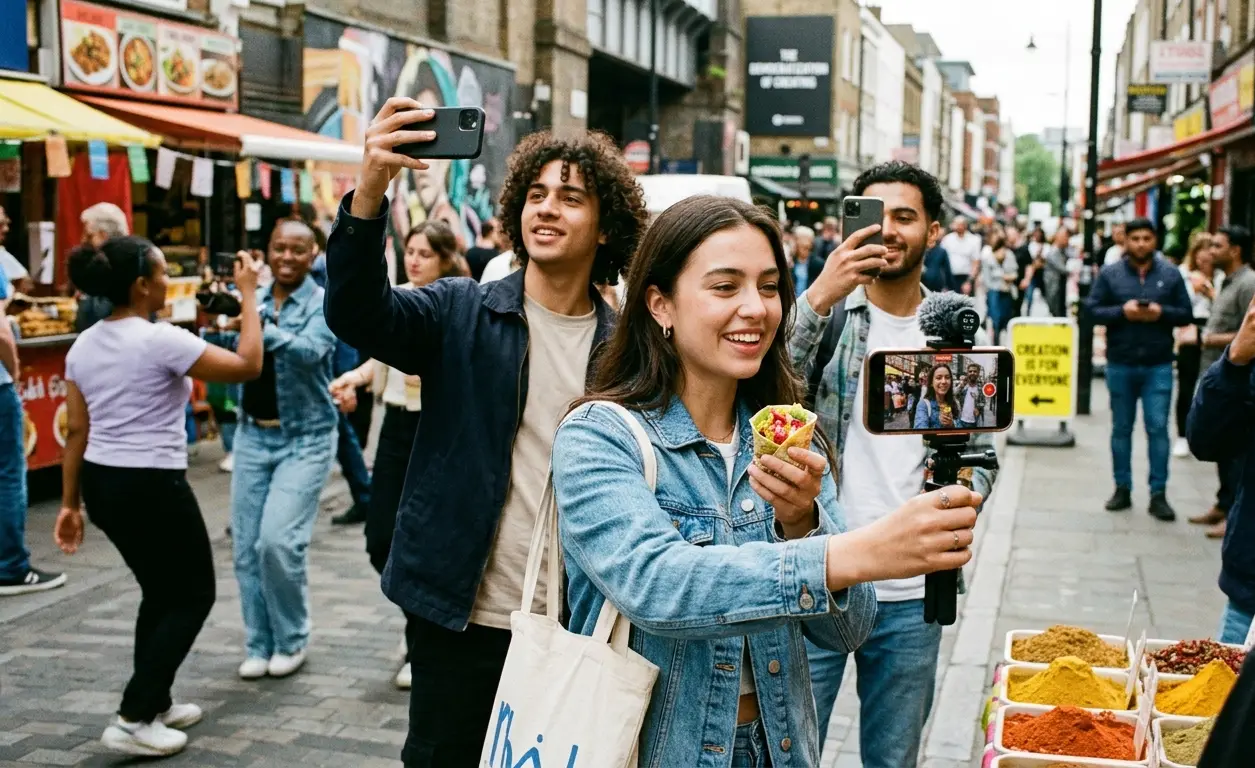
One of the most significant contributions of AI is its impact on content creation. Producing high-quality videos, graphics, or music once required considerable time, technical expertise, and financial resources. AI-powered tools now allow creators to edit videos, generate captions, create image descriptions, and even compose music within seconds. As a result, individuals with limited experience and smaller budgets can participate in content creation, making digital creativity more accessible than ever before.
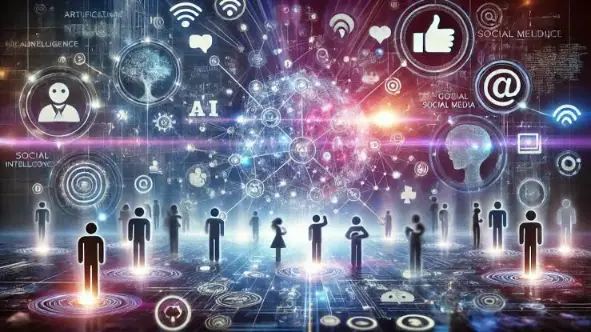
AI also plays a major role in shaping social media experiences. Intelligent algorithms analyse users’ preferences and recommend content that aligns with their interests. While this improves personalization and engagement, it also creates “filter bubbles,” where users are exposed mainly to opinions similar to their own. This limits exposure to diverse viewpoints and may reduce meaningful discussions across different perspectives.
Another growing trend is the rise of AI-generated influencers and virtual personalities. These computer-generated figures interact with audiences much like real people and are capable of attracting millions of followers. Many brands are beginning to use virtual influencers for marketing campaigns because they can be controlled and managed more efficiently than human influencers. However, the increasing difficulty in distinguishing between real and AI-generated personalities raises concerns about authenticity and trust on social media platforms.
Artificial intelligence has also transformed the way people search for information. Rather than browsing multiple websites, users increasingly rely on AI-powered search tools that provide immediate answers. While this makes information more accessible, it also raises concerns about digital literacy and critical thinking. Since AI-generated responses may not always be accurate, users must continue verifying information through reliable sources instead of accepting every answer at face value.
Despite its many advantages, AI also presents significant challenges. Deepfake videos, manipulated images, and AI-generated fake news have the potential to spread misinformation and influence important social and political events, including elections. Addressing these risks requires responsible AI development and ethical use by governments, technology companies, and individual users alike.
Looking ahead, the future of internet culture is likely to be shaped by collaboration between human creativity and artificial intelligence. AI can enhance productivity, simplify complex tasks, and expand creative possibilities, but it cannot replace the originality, emotions, and unique perspectives that humans bring to art, music, writing, and culture. The most successful creators will be those who combine their creativity with AI-powered tools rather than relying on technology alone.
In conclusion, artificial intelligence is transforming internet culture in profound ways. It is making content creation faster and more accessible, changing how people consume information, and introducing entirely new forms of digital interaction. However, the future of internet culture will ultimately depend on how responsibly humans choose to use AI. By embracing innovation while maintaining ethical standards and critical thinking, society can ensure that AI remains a powerful tool for creativity and positive change.