




State legislators, not the public, choose most of the Upper House, and the contest comes down to a piece of arithmetic that can turn a handful of ballots into a seat
The Lok Sabha gets the attention at election time, but the Rajya Sabha is shaped by a far quieter vote. Its members are chosen by legislators sitting in state assemblies, using a counting method most voters have never seen. When a party wins or loses a Rajya Sabha seat by one vote, the explanation is almost always the same formula.
Who Is Actually in the House
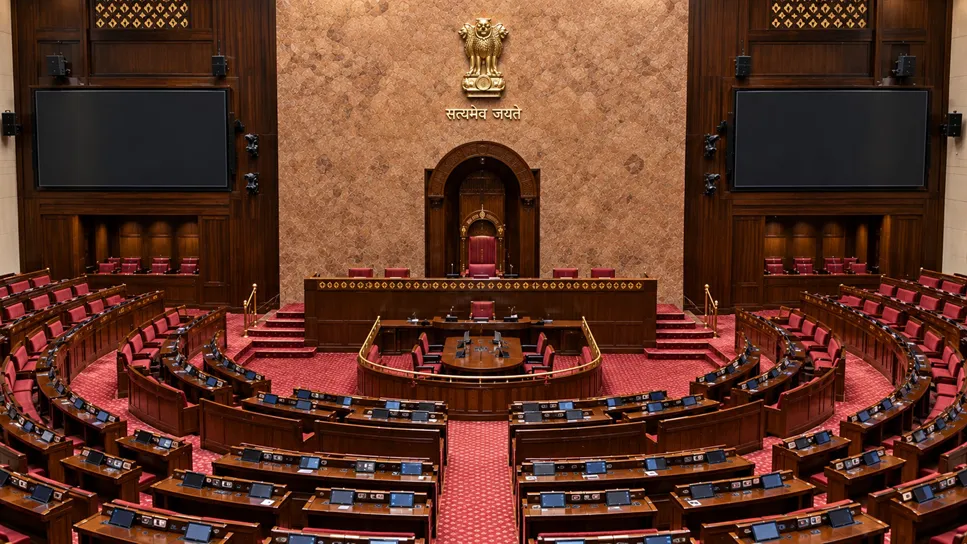
Picture the Rajya Sabha as a house with a revolving door. Its strength is capped at 245. Elected legislators fill 233 of those seats: the state assemblies send most of them, and the assemblies of three Union Territories, Delhi, Puducherry and Jammu and Kashmir, send the rest. The President fills the final 12 by nomination, choosing accomplished people from outside party politics. Each member serves six years, but the calendar is staggered so that roughly a third of the seats come up for fresh election every two years.
The chamber therefore never faces a full dissolution and never changes all at once.
Why Legislators Vote and Not the Public
Members from each state are elected by that state’s MLAs, using a method called the single transferable vote. Each MLA ranks candidates in order of preference rather than choosing one name. The purpose is to give smaller groups a realistic chance of winning a seat, instead of letting the largest party take everything, as happens in a simple majority contest.
The Formula That Sets the Bar
To win, a candidate must reach a fixed target called the quota. The formula is the total number of valid votes, divided by the number of seats plus one, and then increased by one. Take a state with 200 voting MLAs and four seats to fill. The quota is 200 divided by five, plus one, which gives 41. A candidate who collects 41 first-preference votes is elected. Officially, each MLA’s vote is given a value of 100 to make the surplus transfers work smoothly, so the quota appears in the records as 4,001 and not 41, but the proportion is the same.
The Surplus Gets a Second Life
Suppose a candidate receives 60 first-preference votes. That is 19 more than needed. Those 19 are not wasted. They are passed to the other candidates according to the second preference marked on those ballots, in proportion. If seats remain unfilled after that, the candidate with the fewest votes is dropped and the votes transfer onward, until every seat has a winner. A party that holds 82 of the 200 seats can therefore expect to win two of the four, because 82 is just enough for two quotas of 41.
The Ballot That Is Not Secret
Rajya Sabha voting is unusual in another way. Since 2003, an MLA who belongs to a party must show the marked ballot to the party’s authorised agent before putting it in the box. The change was meant to curb cross-voting, where legislators were suspected of switching sides for money. The Supreme Court upheld the rule in 2006. MLAs who are independents still vote in secret. In 2018, the Supreme Court also struck down the NOTA option that the Election Commission had briefly allowed in these elections, reasoning that it could be used to defeat the very purpose of the vote.
When One Vote Changes Everything
The system’s drama comes from how thin the margins can be. In 2024, a contest in Himachal Pradesh ended in a tie after cross-voting by several members of the ruling party, and the seat was decided by a draw of lots, a result that stunned the state. Episodes like that show why parties guard their legislators closely before a Rajya Sabha vote, moving them into hotels or resorts so that none can be approached.
Why the Count Matters Beyond the Count
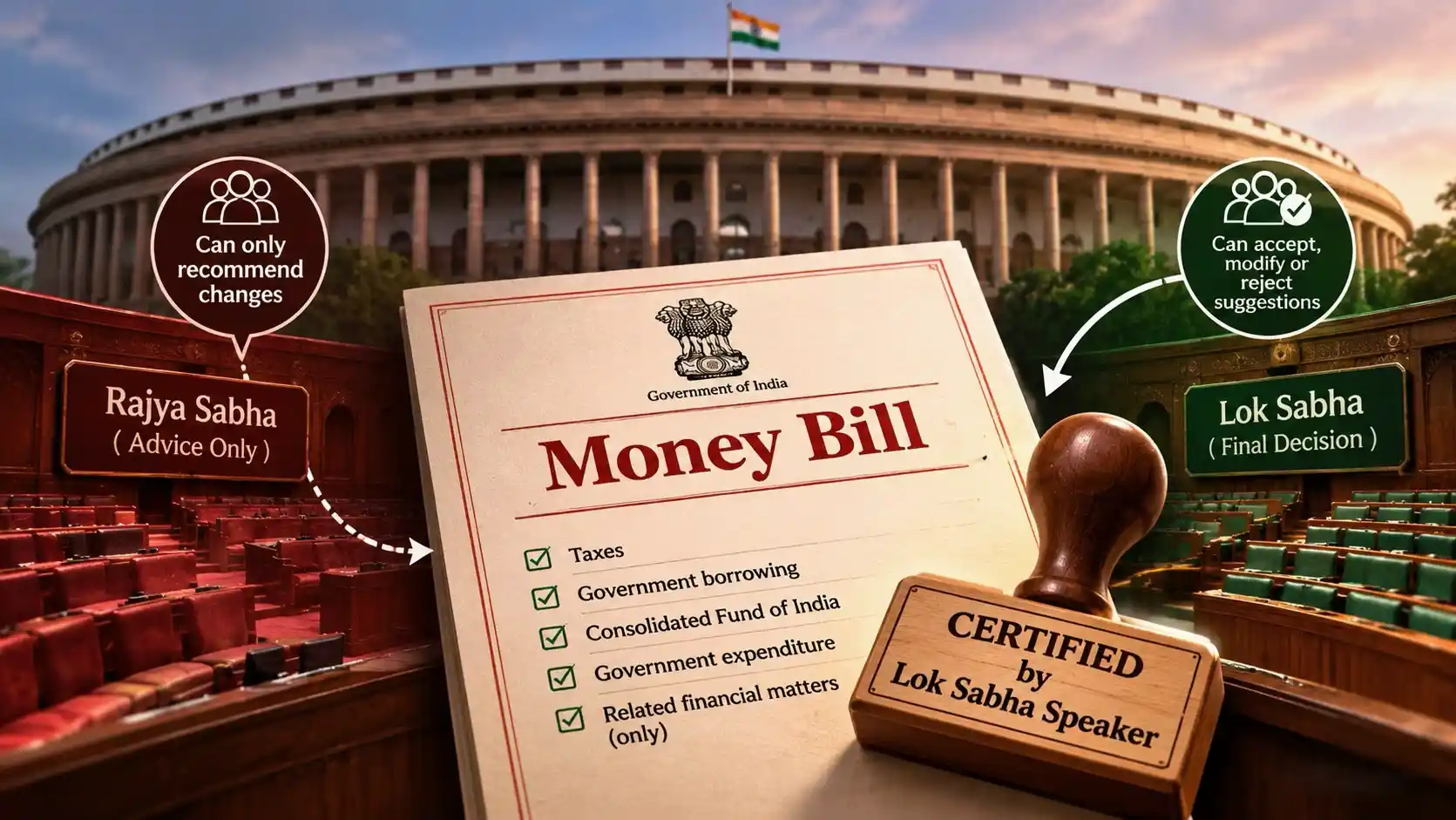
The composition of the Rajya Sabha affects what the government can pass. A bill can clear the Lok Sabha and still be held up in the Upper House if the ruling alliance lacks a majority there. That is why parties watch state elections closely: winning a state assembly changes the number of Rajya Sabha seats the party can expect when the next vacancies arise, sometimes years later. The formula is simple, but the patience required to win under it is considerable.