



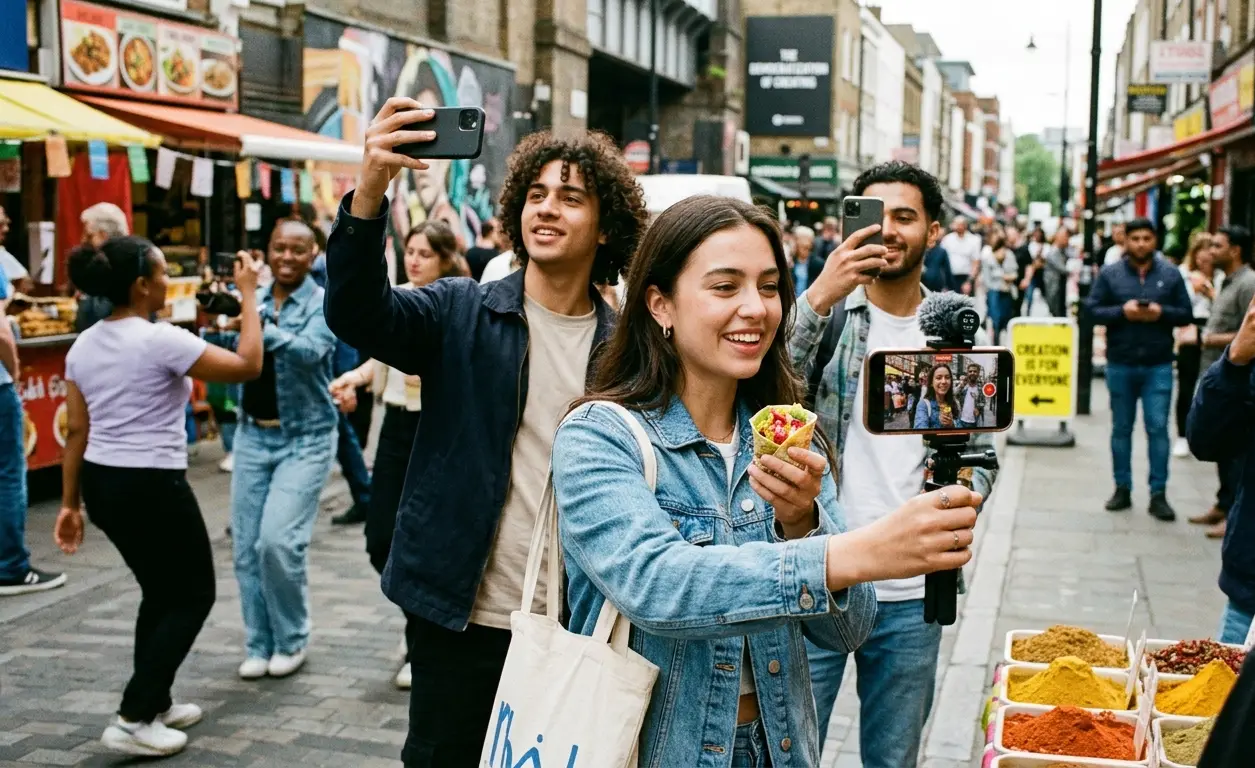

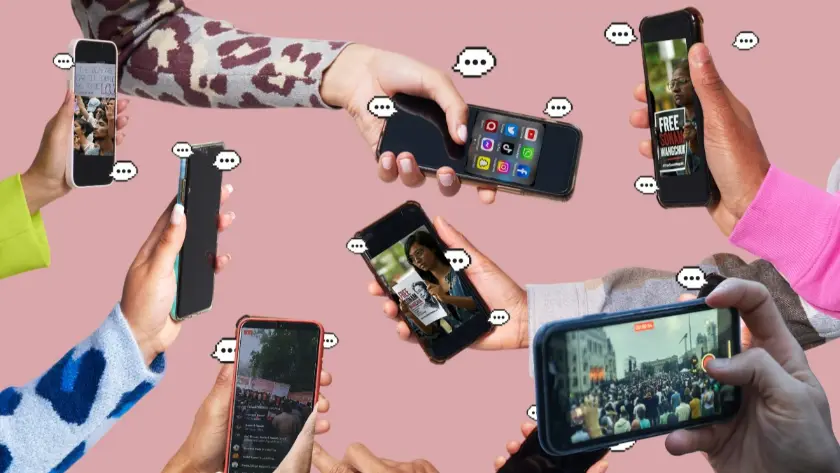
No other generation has seen such a dramatic shift in how people consume news.
In the past, newspapers, television, and radio were the main ways people got information. These days, however, many young people don’t wait for the evening news or the morning paper Instead, they learn about major events as they scroll through Instagram, watch YouTube videos, or consume short videos.
Social media is often used to stay in touch with friends or find entertainment, but it has also become a regular source of news for Generation Z.
Whether it’s updates on elections, sports highlights, global events, or social issues, these platforms shape how young people understand the world
The Internet Generation
Gen Z has grown up in a world where smartphones and the internet are everywhere.
For them, digital platforms are just part of daily life.Many young people start their day by opening Instagram or YouTube and end it the same way.
Since they already spend a lot of time on these platforms, it feels natural to find news there.
Rather than actively searching for information, they see important stories in their feeds through suggestions and trending posts.
Get Info Quickly in Less Time
Life moves fast, and young people often prefer content that delivers information quickly without taking too much time.
Short videos explain the main points of a story in seconds or minutes, making it easier to keep up with events even on a busy day.
Many creators use simple language, images, captions, and relatable examples.
This makes complex topics, such as government policies, economic changes, or international conflicts, easier to understand.
Videos Increase News Engagement
Reading a long article takes time and focus, but videos bring together images, sound, graphics, and narration to make information more interesting.
This visual format is engaging and helps viewers remember key points.
YouTube allows creators to provide in-depth explanations, while Instagram Reels and Shorts offer quick updates that spark curiosity and encourage viewers to explore more.
News Spreads Faster Than Ever
One reason social media has become so popular is speed.
News can reach millions within minutes of an event happening. Whether it’s a natural disaster, a major sports win, or an important government statement, information travels almost instantly.
This instant access makes users feel like they’re part of the action as it unfolds, rather than waiting for news to be broadcast at a later time.
Trust the Digital Creators
Many Gen Z users follow journalists, educators, and content creators who explain current events in a simple and relatable way.
These creators avoid confusing language and use clear, easy-to-understand explanations.
Their informal style makes news feel more familiar and accessible, but it also reminds viewers to approach information critically.
It’s important not to believe everything a creator says without questioning it.
Challenges for News on Social Media
Social media has made it easier to access information, but it has also introduced serious challenges.
Edited videos, misleading headlines, and fake news can spread quickly. Sometimes people share content without checking its accuracy.
What’s worse is that in the digital age, information spreads so fast that even a small mistake can reach millions before it’s corrected.
That’s why fact-checking has become essential for every internet user.
The Importance of Critical Thinking
On social media, users often see content that matches their interests and viewing habits.
While this can create a personalized experience, it may also limit exposure to different perspectives.
Young people should develop the habit of checking information from multiple trusted sources before forming opinions.
In today’s digital world, it’s crucial to ask questions, verify facts, and understand the full context of a story.
Conclusion
Instagram, YouTube, and short-video platforms have transformed how Generation Z stays informed.
For many young people, news is more accessible than traditional media because of its speed, convenience, and engaging format. These platforms are likely to remain a major part of how future generations consume information.
However, being informed isn’t just about watching a video or reading a headline.
To consume news responsibly, one must be curious, verify facts, and remain open to different viewpoints. Social media has changed the way people receive news, but the responsibility of seeking the truth lies with every individual.