





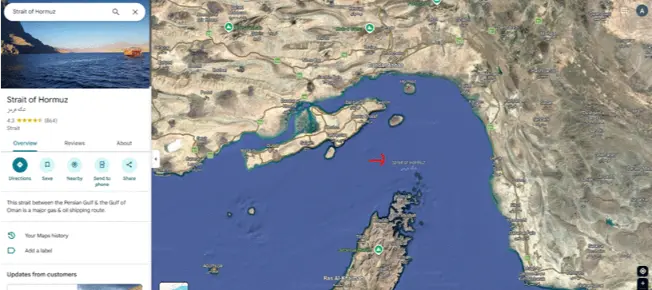
Image: World’s largest oil transit route: Strait of Hormuz
There’s a high level of uncertainty in US-Iran negotiations amid the ongoing Middle East war. Discover its impact on crude oil prices, trade routes, & regional diplomacy globally.
While the recent military confrontation occurred between the US and Iran, there is still a lot of uncertainty surrounding negotiations and what this means for economies, especially as additional conflicts could create more tension in an already volatile area of the world.
Washington and Tehran have stalled negotiations due to regional tensions, yet their open diplomatic channels suggest continued diplomacy remains possible. This disagreement illustrates how fragile the entire negotiation process has become.
Many news coverages have discussed missile strikes & ceasefire disputes, but the economic changes and costs associated with the war are less discussed. However, the potential long-lasting effects of the conflict will extend far beyond the actual battleground.
The current condition of the Strait of Hormuz provides the most notable example of this impact. This narrow waterway acts as a passage for a large percentage of all crude oil. It will surely witness a continued price increase in oil and shipping, even though there is no complete blockade present. Companies are making their financial decisions based on speculation of how a situation may play out, therefore causing markets to act accordingly based on what has occurred in recent history, as well as how they believe it may happen in the future.
There is another unnoticed consequence that could also add pressure on businesses across the Gulf region. Investors looking forward to investing in Saudi Arabia, the UAE, and Qatar have been monitoring the negotiations carefully, as a prolonged period of instability could affect the trade routes, the insurance rates of goods shipped through those routes, and their overall plans for foreign investment development. Financial Markets throughout the Gulf are already showing alert signals because of the uncertainty surrounding the negotiations.
Iran’s interest in a restricted agreement with the U.S. instead of a comprehensive agreement has also garnered some attention. Analysts believe that by doing this, Iran could obtain some economic relief without making any substantial concessions. It appears that future negotiations will be centred on negotiating small-sized agreements rather than just one major settlement.
The current scenario has transformed regional diplomacy. Countries that previously acted as bystanders are taking on the role of intermediaries. With both Tehran and Washington reluctant to fully abandon diplomacy for now, intermediaries will be even more essential. Many ordinary citizens in the region have already faced major consequences of this situation. Higher fuel prices, increased costs in the transport of goods and services, and concerns regarding the reliability of supply chains have begun to affect daily economic activities. Several such events in global energy markets have resulted in price increases even before any supply shortages occurred due to uncertainty surrounding the markets.
In the coming weeks, we will see if there will be any negotiation meetings again or the region will have to experience a longer period of confrontation. However, currently, the situation that is most significant might not be the military exchanges but how this prolonged uncertainty will impact the trade, energy security, and economic stability throughout the Middle East and other areas.